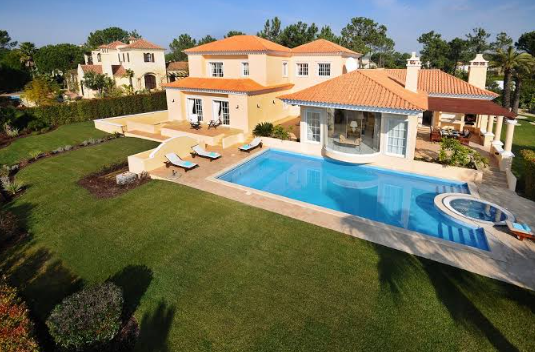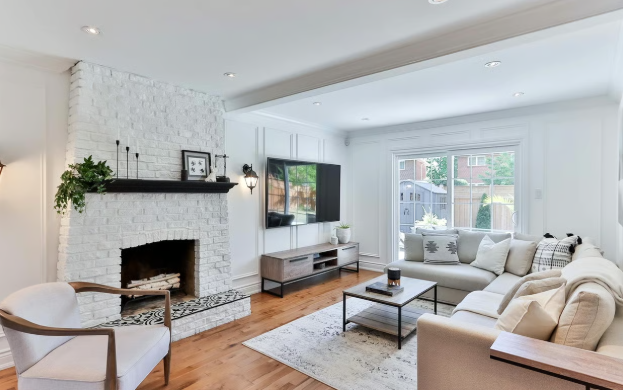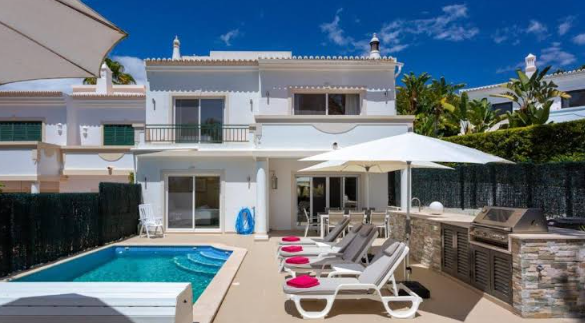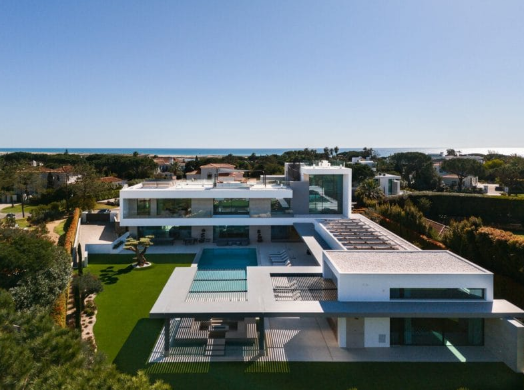
Finding your perfect property for sale in algarve portugal

The southern coast of Portugal has long held a magnetic pull for anyone seeking sun, privacy, and exceptional real estate. Finding a premium property for sale in algarve portugal requires more than skimming online listings. It demands an understanding of the micro-markets that define our coastline. The local property market operates on nuance. A villa sitting front line in Quinta do Lago offers a completely different lifestyle and investment profile to a modern estate nestled in the hills behind Lagos. To make an informed choice, you need to understand the realities of the local buying process, regional price drivers, and the architectural standards that preserve capital over time.
Buyers frequently arrive with a generalized vision of coastal living, but they quickly discover that the Algarve is not a single, uniform destination. The region splits into distinct zones, each with its own planning regulations, community feel, and long-term appreciation patterns. Western towns retain a maritime charm with rugged cliffs, while the Golden Triangle centers on manicured golf courses, high-end security, and premium amenities. Choosing correctly requires looking past the surface aesthetics of a manicured garden to evaluate infrastructure, accessibility, and rental yields.
Mapping the regions: where to look for property for sale in algarve portugal
The search for prime real estate starts with geography. The central Algarve, encompassing Quinta do Lago, Vale do Lobo, and Vilamoura, forms the premium hub. Here, demand consistently outstrips supply. These locations are established, heavily managed environments where plot sizes are premium, and architectural standards remain exceptionally high. Investing here means entering a mature market where properties retain value even during broader economic shifts. The neighborhood infrastructure includes championship golf courses, private medical facilities, and fine dining establishments that hold Michelin stars.
Moving west toward Carvoeiro, Ferragudo, and Lagos, the atmosphere shifts. The landscape features dramatic cliffs and golden sand coves. Properties here often blend traditional Portuguese design with contemporary renovations. Lagos offers a vibrant marina lifestyle and draws buyers who want a mix of historic city living and modern luxury. Plots in the western Algarve are often larger, providing enhanced privacy and open sea vistas. The western market has grown substantially as buyers seek authentic coastal living without compromising on build quality or connectivity.
The eastern Algarve, stretching toward the Spanish border, remains quieter and more traditional. Olhão and Tavira feature historic townhouses and properties close to the Ria Formosa salt marshes. This area appeals to buyers focused on cultural heritage, slow food, and undisturbed nature. While rental volumes are lower here than in the central belt, capital growth has shown steady upward momentum as the region attracts premium eco-tourism and niche luxury developments.
See also: Key Factors That Separate Great Homes from Average Listings
Essential criteria for evaluating luxury homes
When inspecting a villa, technical specifications matter far more than staging furniture. The coastal climate brings specific structural challenges, particularly humidity during the winter months. A premium property must feature superior climate management systems to handle these changes. Look for underfloor heating powered by heat pumps, integrated dehumidification units, and double or triple glazing with thermal breaks. Walk into the lower levels and basements to check for mechanical ventilation systems. A dry, fresh basement is a clear indicator of sound construction and proper damp-proofing.
Solar orientation is another critical factor that inexperienced buyers overlook. In Portugal, south-facing properties are highly sought after because they maximize natural light during winter and cut heating costs. West-facing terraces provide beautiful sunset views but require substantial solar shading or deep overhangs to prevent overheating in July and August. Inspect the quality of the outdoor living zones. High-end villas feature covered outdoor kitchens, heated infinity pools, and automated salt-water filtration systems rather than standard chlorine setups.
Security and smart home automation add tangible value to modern estates. Premium properties utilize advanced home automation systems that control lighting, security blinds, underfloor heating, and pool covers remotely. This functionality is useful if you travel frequently or use the villa as a seasonal holiday escape. Gated communities provide monitored access, communal security patrols, and dedicated concierge services, making them an excellent choice for a lock-up-and-leave holiday home.
Understanding the legal and administrative steps
Purchasing real estate in Portugal follows a structured legal framework designed to protect both parties. The process begins with obtaining a Portuguese tax number, known as a Numero de Identificação Fiscal. You will also need to open a local bank account to facilitate funds transfers and handle utility payments. Working with an independent local lawyer who specializes in real estate transactions is standard practice. Your legal representative handles due diligence, verifying that the property title is clear and checking for any outstanding debts or tax liabilities.
The transaction moves forward through two core legal contracts. First, you sign the Promissory Contract, or Contrato de Promessa de Compra e Venda. This document locks in the sale price, completion timelines, and specific conditions. At this point, the buyer pays a non-refundable deposit, which is normally ten to twenty percent of the purchase price. If the seller backs out after this contract is signed, Portuguese law states they must return double the deposit amount to the buyer. The final step is the deed signing, or Escritura, which occurs before a public notary, transferring legal ownership completely.
Transaction costs are a necessary consideration in your budget planning. Buyers must pay the Municipal Property Transfer Tax, known as IMT, along with Stamp Duty and notary fees. The IMT rate operates on a sliding scale based on the purchase price and whether the villa is a primary or secondary residence. For luxury real estate, budgeting between six and eight percent of the purchase price for taxes and legal fees is standard practice. For detailed information on national tax structures and direct fiscal obligations, the Portuguese Tax and Customs Authority provides official updates, schedules, and calculators for international buyers.
Operational realities and ongoing property management
Owning a high-end villa requires consistent maintenance to protect its value and keep systems functioning correctly. The combination of intense summer sun and coastal salt air takes a toll on exterior surfaces, pool machinery, and gardens. Enlisting a professional property management company is standard practice for owners who do not live in Portugal full-time. These companies handle regular property inspections, supervise garden and pool upkeep, and manage utility payments.
If your plan involves renting out your villa to generate income during peak seasons, you must obtain a short-term holiday rental license, known as an Alojamento Local. This process involves meeting specific safety criteria, such as installing fire extinguishers, emergency signs, and first-aid kits throughout the villa. Renting a premium home also requires a high level of hospitality service, including regular linen changes, professional cleaning between guest stays, and providing local concierge support for guests.
For owners wanting a balanced approach, combining personal holiday use with selective summer rentals works well. This strategy offsets annual running costs while keeping the villa available for family gatherings. Partnering with an experienced team ensures that marketing, guest communication, and property care are managed smoothly, protecting your home while maximizing its financial performance. Reviewing the official resources provided by the Portuguese National Tourism Authority can give you deeper insights into compliance and local hospitality expectations.
Maximizing your search efficiency
Finding the ideal home requires a methodical approach that goes beyond standard property portals. Many premium villas sell quietly off-market, meaning they are never listed on public websites to protect the owner’s privacy. Accessing these exclusive listings requires building strong connections with local specialists who understand the local market. Working with a dedicated partner streamlines your search process and helps you avoid overpriced listings or properties with hidden structural or legal issues.
Keep these key steps in mind as you plan your search:
- Define your core lifestyle goals before viewing properties, focusing on whether you need proximity to international schools, specific golf clubs, or walkable beach access.
- Inspect the mechanical systems personally, checking the age and condition of heat pumps, pool filtration setups, and home automation systems.
- Work with an independent Portuguese real estate lawyer right from the start to handle due diligence before signing any paperwork or transferring funds.
- Budget carefully for purchase taxes, notary fees, and legal costs, which usually add up to between six and eight percent of the total sale price.
- Consider long-term property management arrangements early to keep your villa maintained and secure when you are away from Portugal.
Navigating the property market successfully comes down to having reliable local expertise on your side. If you are ready to explore premium villa opportunities or need guidance on locating a high-quality holiday home, our experienced team is here to help. You can learn more about our approach and view our current listings by visiting our about exclusive algarve villas page, where we detail our commitment to helping clients find exceptional real estate across this beautiful coastline.
Frequently asked questions
Can non-residents buy a villa in the Algarve?
Yes. Non-residents face no legal restrictions when purchasing real estate in Portugal, provided they obtain a local tax number and use a Portuguese bank account for the transaction. The buying process is identical for domestic and international buyers, requiring standard due diligence, a promissory contract, and the final deed signing before a public notary.
What are the main purchase taxes when buying a home in Portugal?
Buyers must pay Municipal Property Transfer Tax, which is IMT, along with a flat Stamp Duty rate of zero point eight percent of the purchase price. IMT applies on a sliding scale that reaches up to 7.5 percent for premium residential properties. You must also budget for notary and registration fees, which generally add around one percent to your total purchase costs.
How long does the real estate buying process usually take?
The process normally takes between one and three months from the initial offer acceptance to the final deed signing. This timeline depends on how quickly your lawyer completes due diligence and whether the property has an active mortgage that needs clearing. If both parties agree on a quick completion and all documentation is readily available, the timeline can shorten significantly.