Urban Technology Innovations

Urban technology innovations significantly influence the structure and functionality of modern cities. These developments prioritize efficiency and sustainability across various sectors. Smart traffic management systems enhance flow and reduce congestion. Meanwhile, connected public transportation improves user experiences through real-time tracking. Sustainable waste management practices foster a circular economy. Additionally, urban energy efficiency innovations aim to lower carbon emissions. The interplay of these technologies raises critical questions about their long-term impacts on urban living.
Smart Traffic Management Systems
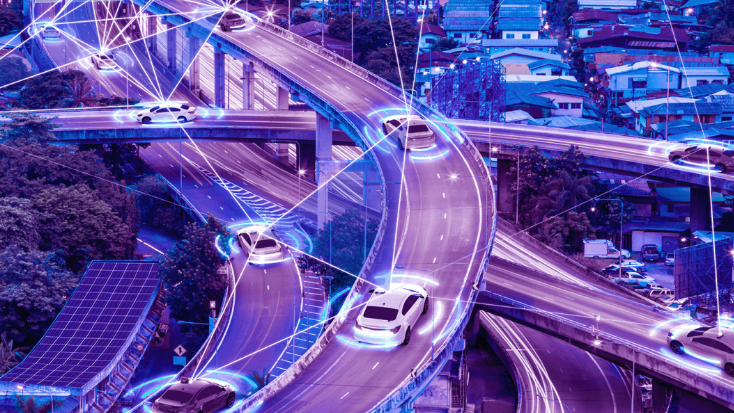
As urban populations continue to swell, the need for efficient traffic management becomes increasingly critical; smart traffic management systems emerge as a pivotal solution to mitigate congestion and enhance mobility.
Intelligent intersections, equipped with adaptive signalization, analyze real-time traffic patterns and dynamically adjust traffic signals. This technology facilitates smoother traffic flow, reduces wait times, and ultimately promotes greater freedom of movement within densely populated areas.
Sustainable Waste Management Solutions
While urban areas grapple with increasing waste generation, sustainable waste management solutions are becoming essential for promoting environmental health and resource efficiency.
Innovative recycling technologies enhance material recovery, reducing landfill dependency. Concurrently, composting initiatives transform organic waste into valuable resources, fostering community engagement and soil health.
Together, these strategies represent a paradigm shift towards a circular economy, empowering urban residents to embrace sustainable practices.
See also: Transportation Technology Explained
Connected Public Transportation
Connected public transportation systems are revolutionizing urban mobility by integrating advanced technologies that enhance efficiency and user experience.
Real-time tracking allows passengers to monitor transit schedules, reducing wait times and improving reliability. Additionally, mobile payment options streamline fare transactions, promoting seamless access to services.
This convergence of technology fosters greater independence for users, empowering them to navigate urban landscapes with unprecedented ease and flexibility.
Urban Energy Efficiency Innovations
Urban energy efficiency innovations are critical in addressing the growing demand for sustainable solutions within metropolitan areas, particularly as cities strive to reduce their carbon footprints.
Advances in energy storage technologies complement renewable generation, enabling more effective integration into urban infrastructures. These innovations facilitate real-time energy management, optimize consumption patterns, and enhance grid resilience, ultimately empowering communities to achieve greater energy independence and sustainability.
Conclusion
The integration of urban technology innovations is pivotal for the evolution of metropolitan environments. For instance, smart traffic management systems can reduce congestion by up to 30%, significantly enhancing mobility and air quality. Concurrently, sustainable waste management practices encourage recycling rates, with cities achieving up to 50% diversion from landfills. These advancements not only promote operational efficiency but also foster a resilient urban ecosystem, underscoring the critical role of technology in shaping sustainable urban futures.