From Dough to Delivery: How Modern Bakeries Use Baking Bands to Improve Automation

Modern bakeries have evolved far beyond traditional ovens and manual preparation. As demand for bread, pastries, biscuits, cookies, and other baked goods continues to grow, commercial bakeries increasingly rely on automation to maintain consistent quality while producing large quantities efficiently. Behind the scenes, a complex combination of mixers, ovens, cooling systems, conveyors, and packaging equipment works together to move products through each stage of production.
One important component in this process is the Baking Band, which helps transport food products through different stages of baking and processing. Although it may appear to be a simple part of a production line, the right conveying system can have a significant impact on efficiency, product handling, hygiene, and overall production consistency.
From Dough Preparation to Production
The baking process begins long before a product enters an oven. Ingredients are measured, mixed, kneaded, shaped, and prepared according to specific recipes. In a small bakery, some of these processes may still be performed manually. In large-scale facilities, however, automated equipment handles much of the repetitive work.
Once dough or formed products are ready, they need to move between different pieces of equipment. This is where conveyor systems become essential. Rather than relying on employees to transfer products manually, automated conveying allows ingredients and products to travel continuously through the production line.
This creates a more streamlined workflow and helps reduce unnecessary handling.
Why Conveying Matters in Modern Bakeries
Automation is not simply about making production faster. Food manufacturers must also maintain consistency and protect products from damage during processing.
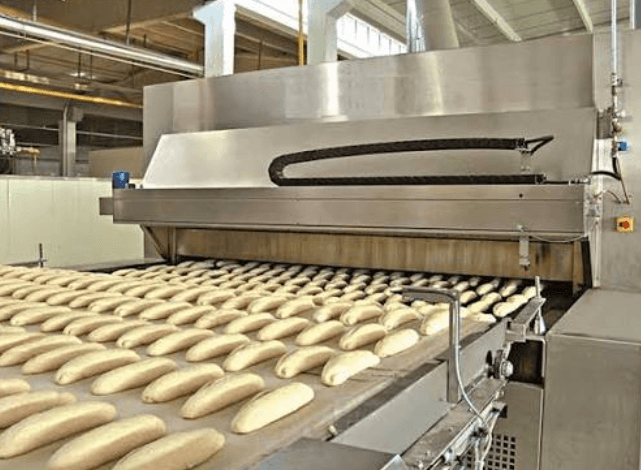
A conveyor system needs to transport products at controlled speeds and maintain reliable movement. For example, biscuits entering an oven must be positioned correctly and travel through the heating zone for the required amount of time. Similarly, freshly baked products often need to pass through cooling stages before they can be packaged.
Even relatively small changes in speed, positioning, or product spacing can influence production results. Reliable conveying equipment therefore becomes an important part of maintaining a predictable manufacturing process.
The Role of Baking Bands
A Baking Band is designed to support the movement of products through demanding baking and food-processing environments. Depending on the application, conveyor bands may need to operate under high temperatures, handle continuous production, and provide suitable product support.
Different bakery products also create different conveying requirements. Delicate pastries may require gentle handling, while heavier dough products may require a more robust conveying surface. Products that are baked directly on a conveyor may also require a band designed for appropriate airflow and heat transfer.
Selecting the right conveyor design can therefore influence more than transportation. It can contribute to the overall performance of the production process.
Supporting Consistency Through Automation
Automation gives bakery production lines greater control over speed and operating conditions. Automated systems can maintain predetermined speeds and operating conditions for extended periods, helping manufacturers produce large volumes with fewer variations.
Conveyor systems contribute to this consistency by maintaining predictable product movement. When products travel through an oven, cooling tunnel, inspection station, or packaging area at a controlled rate, other equipment can be synchronised around that movement.
This coordination becomes particularly important in high-volume bakeries, where even minor interruptions can affect the entire production line.
Hygiene and Food Safety Considerations
Food production equipment must also meet demanding hygiene requirements. Bakeries deal with ingredients such as flour, sugar, oils, dairy products, and other materials that can accumulate on machinery if equipment is not properly maintained.
Conveyor components therefore need to be selected with cleaning and maintenance requirements in mind. Designs that allow easier inspection and cleaning can help food manufacturers maintain hygienic production environments.
Regular maintenance is equally important. Checking conveyor components, identifying wear, and addressing potential problems before they lead to unexpected downtime can help keep automated lines operating reliably.
Efficiency Beyond Speed
It can be tempting to measure automation simply by asking how quickly a bakery can produce its products. However, genuine efficiency involves several factors, including energy consumption, product waste, downtime, maintenance requirements, and labour utilisation.
A well-designed conveying system can contribute to efficiency by reducing unnecessary product handling and helping different production stages work together. When equipment is properly matched to the application, manufacturers can potentially reduce interruptions and make better use of their production capacity.
This is particularly valuable as bakeries look for ways to increase output without simply expanding their physical facilities.
See also: Top Impressive Vancouver Travel Attractions For First-Time Visitors
Looking Toward the Future
The future of commercial baking is likely to involve even greater integration between machinery, sensors, data, and automation. Smart production lines can increasingly monitor operating conditions and identify potential problems before they cause significant disruption.
Predictive maintenance, machine vision, automated quality inspection, and data-driven production management are already changing how manufacturers approach industrial food processing. Conveyor systems will remain an important part of this connected environment because they physically link many of these processes together.
As bakeries continue to adopt smarter manufacturing technologies, the emphasis will not only be on producing more food but also on doing so consistently, efficiently, and with less waste.
Conclusion
From mixing and shaping to baking, cooling, inspection, and packaging, modern bakery production depends on many interconnected systems. Automation helps coordinate these stages, while reliable conveying technology ensures products can move efficiently between them.
A properly selected Baking Band can therefore play an important supporting role in modern bakery automation, particularly where continuous production, temperature resistance, product handling, and hygiene are important considerations. Companies such as Wire Belt provide conveyor solutions designed for demanding food-processing applications, demonstrating how specialised conveying technology can support the broader evolution toward more efficient and automated bakeries.