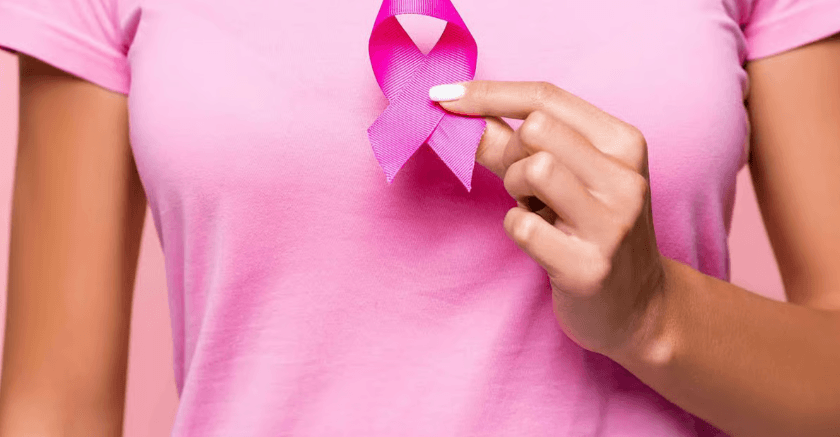
Breast Cancer Awareness Month: The Alcohol Link Many Women Still Do Not Know About

Every October, pink ribbons appear on everything from coffee cups to football kits as Breast Cancer Awareness Month encourages women to check themselves, book screenings and talk openly about risk. Conversations usually focus on family history, genetics and early detection. One modifiable risk factor gets far less attention: alcohol.
The evidence is strong. In January 2025, the U.S. Surgeon General issued an advisory identifying alcohol as a cause of at least seven types of cancer, including breast cancer in women. For many women, the simplest response is to drink less. For those who find cutting back harder than expected, support ranges from a GP conversation to local services or, for some, specialist programmes like luxury substance abuse treatment Malibu clinics provide. Here is what the research says and what it means in everyday life.
What the Research Shows
According to the Surgeon General’s advisory, alcohol contributes to about 100,000 cancer cases and 20,000 cancer deaths each year in the United States. The largest share of that burden falls on breast cancer in women, with an estimated 44,180 cases in 2019. That represents 16.4% of the approximately 270,000 breast cancer cases among women that year.
The advisory also notes that breast cancer accounts for the majority, around 60%, of alcohol-related cancer deaths in women. Alcohol is classified as a Group 1 carcinogen by the World Health Organization’s International Agency for Research on Cancer, the same category used for substances with the strongest evidence of causing cancer.
Risk Can Begin at Low Levels
One of the most important findings is that risk does not start only with heavy drinking. The advisory states that for breast, mouth and throat cancers, the evidence shows risk may begin to rise at around one drink or fewer per day. As alcohol consumption increases, so does cancer risk.
Why Many Women Are Unaware
Public awareness of the alcohol and cancer link remains limited. The advisory pointed out that the current health warning label on alcoholic drinks in the United States has not changed since 1988 and does not mention cancer. The Surgeon General called for labels to include cancer risk, a change that would require approval from Congress.
Messaging has also been mixed. When the U.S. 2025 to 2030 Dietary Guidelines were released in January 2026, reporting by outlets including The New York Times noted that they no longer included an explicit warning that alcohol may raise the risk of breast cancer.
Practical Steps for Reducing Risk
Nobody can control every risk factor for breast cancer, but alcohol is one area where small changes can matter. Here are some practical ways to act on the evidence.
- Know your weekly total. The UK Chief Medical Officers advise not regularly drinking more than 14 units a week, spread over three or more days. Tracking your drinks for a few weeks can show whether you are above or below that level.
- Remember that less is lower risk. The Surgeon General’s advisory emphasises that cancer risk rises with consumption, so any reduction can help, even if you do not stop entirely.
- Build in drink-free days. Several alcohol-free days each week make it easier to lower your total and to notice whether skipping a drink feels easy or difficult.
- Talk to your GP about your overall risk. If you have a family history of breast cancer or other risk factors, your doctor can help you understand how alcohol fits into your personal risk picture.
- Keep up with screening and self-checks. Reducing alcohol is one part of breast health. Attending NHS breast screening when invited and knowing what is normal for your body remain essential.
These steps are not about guilt. They are about making informed choices with the best available evidence.
When Drinking Is Hard to Change
For some women, cutting back reveals that drinking has become a habit that is difficult to break, perhaps used to cope with stress, sleep or loneliness. Signs that it may be time to seek support include repeatedly drinking more than intended, feeling unable to have alcohol-free days, or feeling shaky or unwell without a drink.
Speaking to a GP is a confidential first step. They can discuss options such as counselling, medications that help reduce drinking and referrals to specialist services. If you drink heavily every day, it is important to get medical advice before stopping suddenly, because alcohol withdrawal can be dangerous.
Supporting Each Other
Breast Cancer Awareness Month is also a chance to look out for one another. Choosing alcohol-free options at fundraising events, sharing accurate information and supporting friends who are cutting back can help make healthier choices feel normal.
Final Thoughts
Pink ribbons remind us to check, screen and talk about breast cancer. This October, it is worth adding one more conversation: the link between alcohol and breast cancer risk. With the Surgeon General estimating that 16.4% of breast cancer cases in U.S. women were related to alcohol in 2019, small changes to drinking habits can be a meaningful part of protecting long-term health.
Frequently Asked Questions (FAQs)
1. Does alcohol really increase breast cancer risk?
Yes. The U.S. Surgeon General’s 2025 advisory lists breast cancer in women among at least seven cancers caused by alcohol and estimates that 16.4% of breast cancer cases in U.S. women in 2019 were related to alcohol.
2. Is there a safe amount of alcohol for breast cancer risk?
The advisory notes that for breast cancer, risk may begin to increase at around one drink or fewer per day, and that risk rises as consumption increases. Drinking less lowers risk.
3. What is the UK’s low-risk drinking guideline?
The UK Chief Medical Officers advise not regularly drinking more than 14 units a week, spread over three or more days, with several drink-free days.