Selecting the Right Copper Piping Assembly for HVAC Systems

HVAC systems depend on reliable connections between indoor and outdoor equipment. Refrigerant lines form an essential part of many air-conditioning and heat-pump installations, and choosing the appropriate line set can influence installation efficiency and system compatibility.
Copper remains widely used for refrigerant piping because of its useful combination of strength, formability, corrosion resistance, and suitability for HVAC applications. However, line sets are available in different diameters and lengths, so selecting the right configuration requires careful attention to equipment specifications and installation conditions.
What Is an HVAC Line Set?
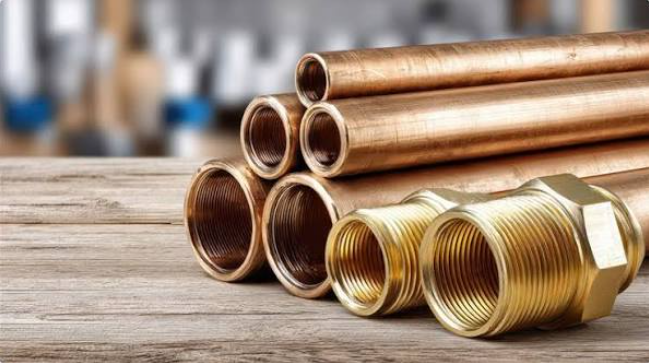
An HVAC line set generally consists of two copper tubes used to connect components of a refrigeration or air-conditioning system.
The exact tube sizes depend on the equipment and system design. One line generally serves as the larger suction or vapor line, while the smaller line functions as the liquid line.
The correct sizes must always be determined according to the equipment manufacturer’s specifications.
See also: Caring for Your Leather Shoulder Bag: Maintenance Tips That Extend Its Life
Why Copper Is Used
Copper offers several characteristics that make it suitable for refrigeration piping.
It can be formed into practical configurations during installation and provides a durable pathway for refrigerant flow. Properly manufactured and installed copper tubing can support reliable system operation.
However, correct material handling remains essential. Tubing should be protected from contamination, moisture, and physical damage during transportation and installation.
Understanding Line Set Dimensions
A line set is commonly described using the diameters of its individual tubes and its overall length.
For example, a configuration such as 3/8 x 7/8 copper line set indicates two different tube diameters within the assembly.
The correct dimensions should never be selected simply because they appear similar to an existing installation. HVAC equipment manufacturers specify compatible piping sizes based on system design.
Why Length Matters
Installation distance can vary significantly between buildings.
Longer connections may be necessary when the indoor and outdoor units are positioned far apart. However, every HVAC system has limits regarding line length, elevation difference, refrigerant charge, and other installation parameters.
Before purchasing a long line set, installers should verify the equipment manufacturer’s requirements.
Preparing for Installation
Before ordering a line set, measure the intended route carefully.
Consider:
- Horizontal distance
- Vertical elevation
- Bends
- Entry points
- Required service loops
- Insulation
- Connection locations
Adding unnecessary length can increase material use and complicate installation, while insufficient length can create a serious installation problem.
Insulation Requirements
Refrigerant lines generally require appropriate insulation to help control heat transfer and condensation.
The insulation specification depends on the system and installation environment. Installers should follow the equipment manufacturer’s instructions and applicable installation requirements.
Insulation should also be protected from physical damage and environmental exposure where necessary.
Protecting the Tubing
Copper tubing should be handled carefully.
Open tube ends can allow dust, moisture, or other contaminants to enter the system. Tubing should therefore remain properly sealed until it is ready for installation.
During routing, excessive bending or physical force can damage the tube and create installation problems.
Choosing a Longer Line Set
Longer line sets can be useful when equipment is separated by considerable distances.
A may be considered for installations where the required connection distance is substantial, provided the HVAC equipment permits that length.
The maximum allowable length should always be checked against the manufacturer’s installation documentation.
Compatibility With Mini-Split Systems
Mini-split systems can also require specific refrigerant line dimensions and lengths.
The indoor and outdoor units must be matched with compatible piping. Different systems can have different requirements, so installers should confirm tube sizes before purchasing.
Using an incorrect line set can create installation difficulties and may affect system performance.
Frequently Asked Questions
1. How do I choose the correct HVAC line set?
Check the air-conditioning or heat-pump manufacturer’s specifications for required tube diameters, maximum line length, elevation limits, and other installation requirements.
2. Can I use a longer line set than necessary?
A longer line set should only be used when it remains within the system’s permitted installation limits. Extra length should not be added without considering the manufacturer’s requirements.
3. Why is insulation important on refrigerant lines?
Appropriate insulation helps manage heat transfer and condensation. The correct insulation specification should be determined according to the HVAC system and installation conditions.
Conclusion
Selecting an HVAC copper line set requires careful attention to tube diameter, length, equipment compatibility, installation route, insulation, and handling requirements. The correct configuration depends on the specific HVAC system rather than on general assumptions.
By checking manufacturer specifications before purchasing, measuring the installation route accurately, and protecting the tubing during installation, HVAC professionals can reduce avoidable problems and create a more reliable connection between system components