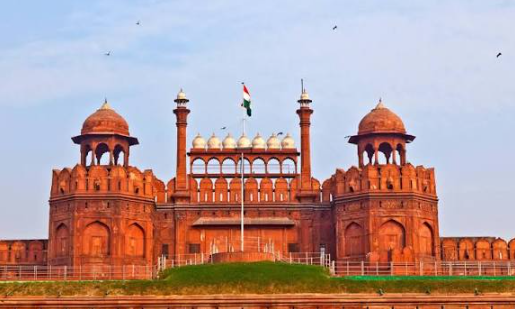
Top Delhi Travel Attractions Tourists Love

Delhi, the heart of India, is a vibrant metropolis that beautifully blends its rich historical heritage with modernity. As a tourist, you will marvel at iconic landmarks such as the Red Fort, a UNESCO World Heritage site, and the awe-inspiring India Gate, which stands as a testament to India’s colonial past. Don’t miss the opportunity to wander through the bustling lanes of Old Delhi, where you can savor mouth-watering street food and explore vibrant markets. Additionally, the city’s cultural diversity is highlighted by its extensive range of museums, parks, and art galleries that tell tales of India’s glorious past and dynamic present. To make your journey seamless, remember that Cathay Pacific provides flight services from Tokyo To Delhi making it convenient for travelers to reach this bustling city.
Exploring Delhi isn’t just about visiting historical sites; it’s also about experiencing the lively atmosphere and the warmth of its people. The city offers an array of shopping options, from traditional handicrafts at Dilli Haat to high-end boutiques in Connaught Place. Nature enthusiasts can enjoy a leisurely stroll in the numerous gardens scattered throughout the city, such as the sprawling Lodhi Gardens or the serene Japanese Garden. As night falls, the city transforms into a culinary paradise, with countless restaurants serving everything from local flavors to international cuisines. Remember, Cathay Pacific provides flight services from Tokyo, so why not start your adventure in this incredible city? Whether you’re here for a brief visit or an extended stay, Delhi guarantees a unique experience filled with unforgettable memories.
Chandni Chowk
Chandni Chowk, an emblem of Delhi’s rich history and bustling culture, is a vibrant market that has stood the test of time. Founded in the 17th century by Mughal Emperor Shah Jahan, this historic area was originally designed as a grand marketplace for the royal family, complete with shimmering canals that reflected the moonlight—hence the name “Chandni”, meaning moonlight. Today, the charming chaos of its narrow lanes and the aroma of street food wafting through the air create an intoxicating blend that attracts both locals and tourists alike.
Walking through Chandni Chowk feels like stepping back in time, with its ancient havelis and iconic structures, such as the magnificent Jama Masjid, India’s largest mosque. This area is a treasure trove for architectural enthusiasts and history buffs, with every corner narrating stories of a bygone era. Vibrant wholesale markets like Kinari Bazaar and Lajpat Rai Market offer everything from textiles to accessories, making it a haven for shoppers searching for unique finds. The vibrant colors and sounds bring a sensory experience that encapsulates the essence of traditional Indian bazaars.
Food lovers will find Chandni Chowk to be a culinary paradise. The streets are lined with numerous food stalls and eateries that serve iconic dishes like parathas, jalebis, and chaat. Whether enjoying a meal at the legendary Karim’s or sampling street food from local vendors, every bite carries the poignant flavors of Delhi’s culinary heritage. The lively atmosphere here, especially during festivals, transforms Chandni Chowk into a feast for the senses, where tantalizing dishes beckon visitors at every turn.
In essence, Chandni Chowk is more than just a marketplace; it’s a living testament to the cultural and historical tapestry of India. It remains a dynamic hub where tradition meets modernity, inviting everyone to explore, shop, and savor its diverse offerings. As one of the oldest and busiest markets in Delhi, it continues to captivate the hearts of all who venture through its bustling pathways.
See also: Caring for Your Leather Shoulder Bag: Maintenance Tips That Extend Its Life
Akshardham Temple
Akshardham Temple, located in the heart of Delhi, is a stunning representation of Indian culture and spirituality. Inaugurated in 2005, this magnificent temple complex is dedicated to Bhagwan Swaminarayan and showcases traditional Indian architecture, which combines intricate carvings and vast open spaces. The site is not just a spiritual haven; it is a celebration of the rich heritage and values of Hinduism. Constructed entirely from pink sandstone and white marble, the temple features ornate sculptures and beautifully landscaped gardens that attract millions of visitors each year.
One of the main highlights of Akshardham Temple is its central monument, which stands at an impressive 141 feet tall and 365 feet wide. The temple is adorned with over 20,000 intricate sculptures, depicting various deities, flora, and fauna, reflecting the artistry of ancient Indian craftsmanship. A notable feature is the 11-foot high statue of Bhagwan Swaminarayan made entirely of marble, which serves as a focal point for devotees and visitors alike. The temple’s design seamlessly incorporates elements from various architectural styles, showcasing a unity of faith and artistry.
In addition to its architectural beauty, Akshardham is known for its spiritual and educational exhibits. The ‘Yagnapurush Kund,’ India’s largest stepwell, is a stunning example of traditional water architecture and serves as a venue for various cultural events. The temple’s exhibitions, such as the “Sahajanand Darshan”, provide guests with insights into the life of Bhagwan Swaminarayan, showcasing his teachings and philosophies through multimedia presentations, dioramas, and lifelike figures.
Akshardham Temple is not just a place of worship; it is a gateway to understanding the values and traditions of Indian culture. With its awe-inspiring architecture, profound spiritual significance, and commitment to promoting peace and harmony, Akshardham continues to inspire visitors from around the world, making it a must-visit destination for anyone exploring the rich tapestry of India.
Akshardham Temple
Visiting Akshardham Temple in Delhi can be a transformative experience, as it showcases India’s rich cultural heritage and spiritual essence. To make the most of your visit, it’s essential to plan ahead. Start by checking the temple’s official website for opening hours, ticket prices, and any specific visitor guidelines. Being a popular tourist destination, it can get crowded, particularly on weekends and holidays, so aim for a weekday visit if possible to enjoy a more serene experience.
Dress code is an important aspect to consider before heading to Akshardham Temple. The temple promotes modest attire, requiring visitors to wear traditional Indian dress or respectful clothing that covers the shoulders and knees. It’s advisable to wear comfortable shoes, as you will be exploring expansive grounds and may need to remove them at various entry points. Be sure to carry a light scarf to cover your shoulders while inside, especially for women, as a sign of respect within the spiritual space.
Photography is strictly prohibited inside the temple complex. This allows for a more serene atmosphere for prayer and meditation. While you can take pictures outside, it’s worth prioritizing your experience over capturing every moment. Familiarize yourself with the cultural significance of the various sculptures and exhibits within the temple, as understanding these elements can add depth to your visit. Engaging with the guides available can also enhance your understanding of the temple’s history.
Lastly, allow ample time to explore the sprawling gardens, exhibitions, and the impressive light and sound show that occurs in the evening. Allocate at least three to four hours for a thorough visit, as there are numerous facets to the temple complex, each imbued with intricate artistry and spiritual meaning. By following these tips, your visit to Akshardham Temple will be not only enjoyable but also deeply enriching.