Transportation Technology Explained

Transportation technology is a dynamic field characterized by innovations that enhance travel efficiency, safety, and sustainability. Electric vehicles are redefining energy consumption patterns. High-speed rail systems are transforming intercity travel dynamics. Autonomous drones are poised to change logistics dramatically. Additionally, smart traffic management systems are addressing urban congestion and emissions. Each of these advancements carries implications for economic growth and environmental stewardship, prompting further exploration of their potential impacts on society.
Electric Vehicles and Their Impact
As the global focus shifts toward sustainable energy solutions, electric vehicles (EVs) have emerged as a pivotal technology in reducing greenhouse gas emissions and dependence on fossil fuels.
The effectiveness of EVs hinges on advanced battery technology and a robust charging infrastructure. These elements facilitate widespread adoption, enabling consumers to transition toward cleaner transportation options while promoting energy independence and environmental stewardship.
High-Speed Rail Systems: Connecting Cities Faster
While urbanization continues to accelerate globally, high-speed rail systems have emerged as a critical solution for enhancing intercity connectivity and reducing travel times.
Bullet train advancements have revolutionized rail technology, enabling trains to travel at unprecedented speeds.
These systems not only facilitate efficient transportation but also promote economic growth by linking major cities, ultimately offering travelers a faster, more convenient mode of transit.
See also: The Future of Technology Explained
Autonomous Drones: The Future of Delivery
Autonomous drones represent a transformative leap in delivery technology, poised to revolutionize logistics and supply chain management.
These unmanned aerial vehicles enhance delivery logistics by enabling rapid, efficient transportation of goods.
However, their widespread adoption hinges on navigating complex drone regulations that ensure safety and compliance.
As technology advances, the potential for drones to redefine delivery paradigms continues to grow, offering unprecedented freedom in logistics.
Smart Traffic Management: Reducing Congestion and Emissions
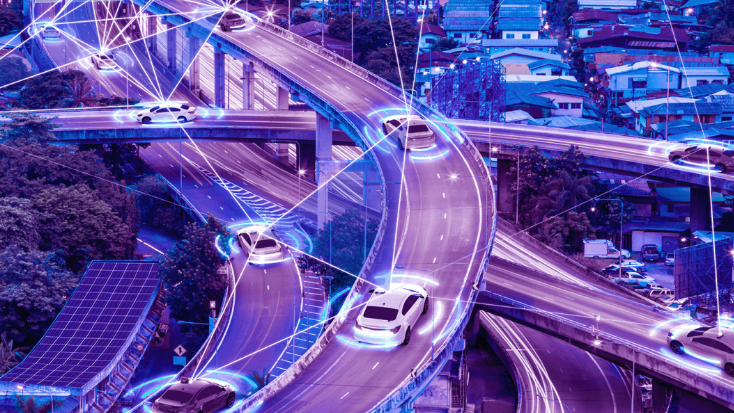
Emerging technologies in transportation are not limited to delivery systems; smart traffic management systems are equally poised to make a significant impact on urban mobility.
By employing traffic signal optimization, these systems enhance vehicle flow, reducing congestion and minimizing emissions.
Additionally, congestion pricing strategies encourage off-peak travel, further alleviating traffic.
Together, these innovations promote efficient transportation networks that support individual freedom and environmental sustainability.
Conclusion
In conclusion, transportation technology is pivotal in reshaping modern mobility, with electric vehicles projected to constitute 30% of global vehicle sales by 2030. High-speed rail systems and autonomous drones further enhance efficiency and connectivity, while smart traffic management reduces congestion and emissions. Collectively, these innovations not only facilitate economic growth but also contribute to a sustainable future, underscoring the critical role of technology in addressing contemporary transportation challenges and fostering environmentally responsible practices.